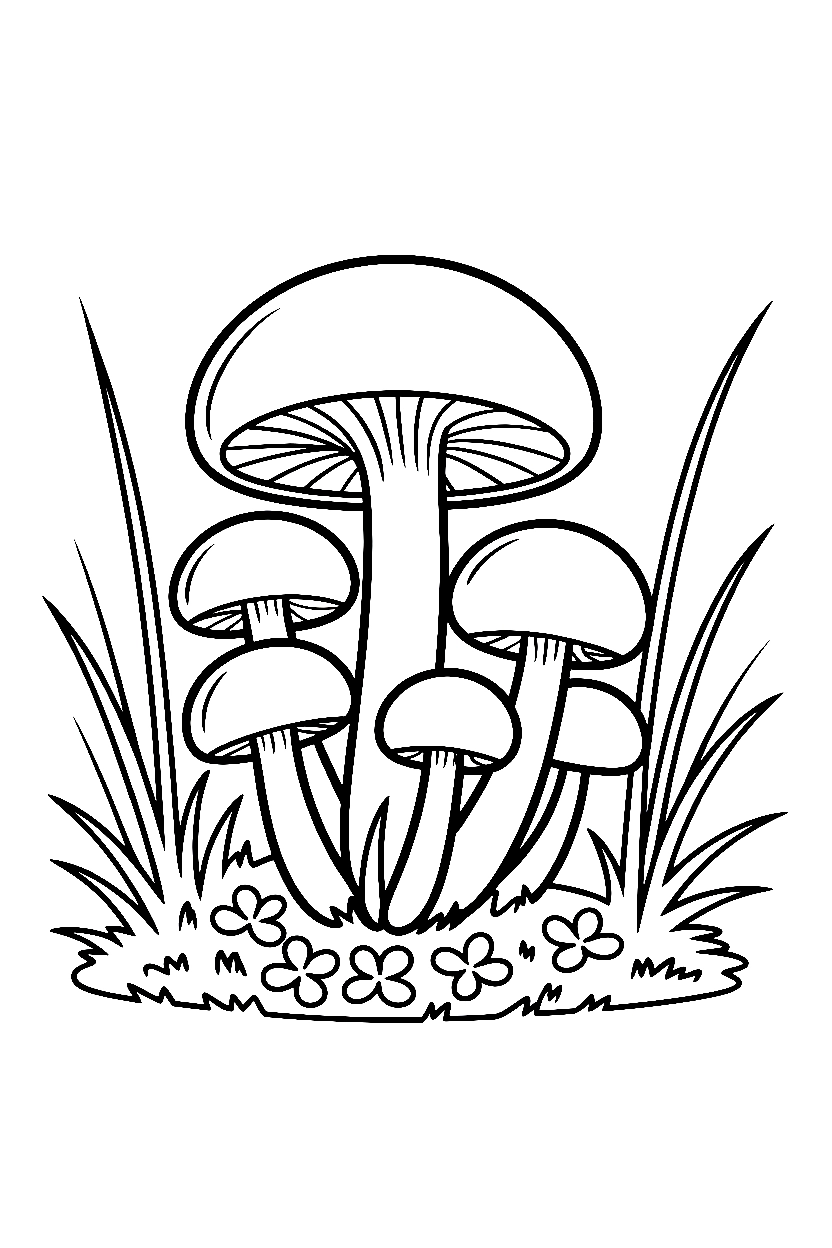
Curved caps with dotted patterns fill the pages of Mushroom Coloring Pages spread across classroom reward system tables. Each cap sits on a thick stem.
Some grow in clusters. Others stand alone. Grass blades surround the base. Fallen leaves rest nearby. Tree bark textures appear in the background.
Children pick up pencils and begin. The stems need filling. The caps wait for attention. Small dots cover some tops.
What These Pages Include
Mushroom Coloring Pages offer simple forest scenes. You will find:
- Single mushrooms with wide caps and textured gills underneath
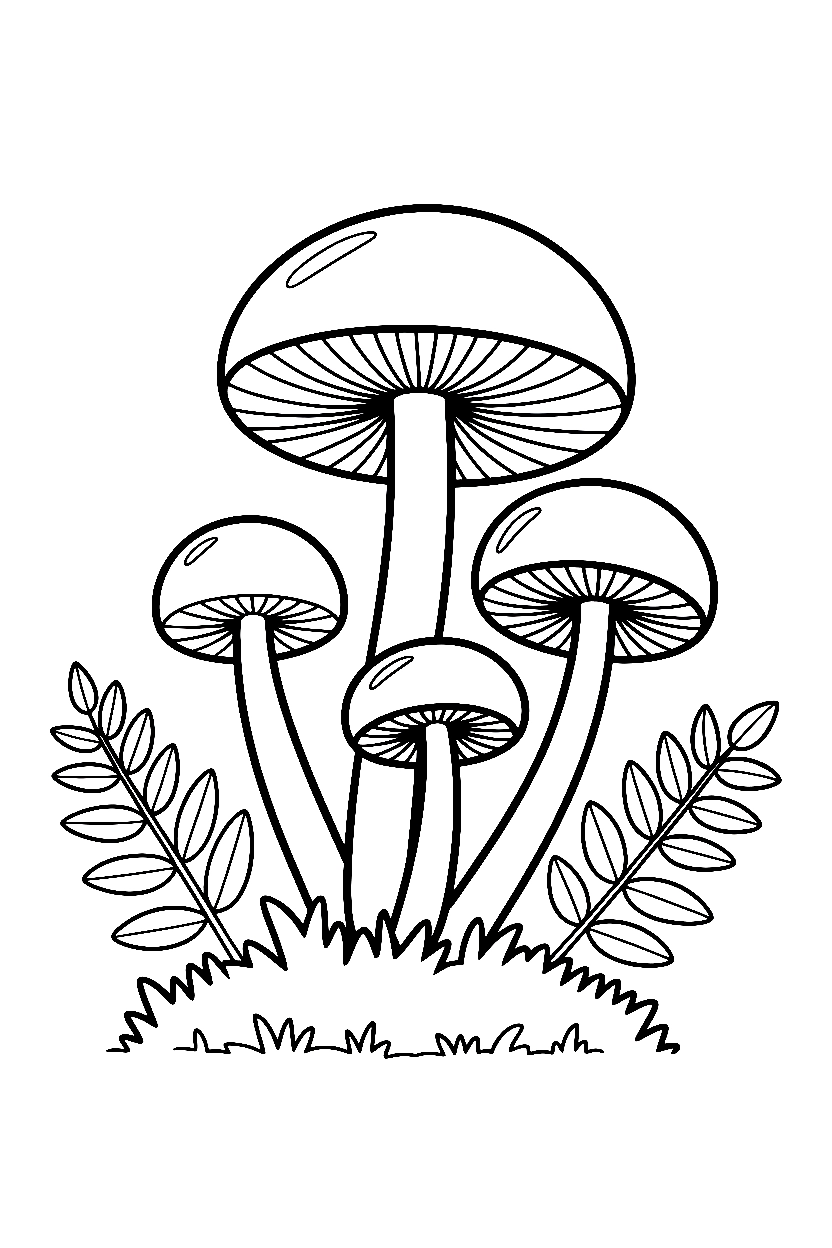
- Cluster groups growing from the same patch of ground
- Woodland floor settings with moss and scattered twigs
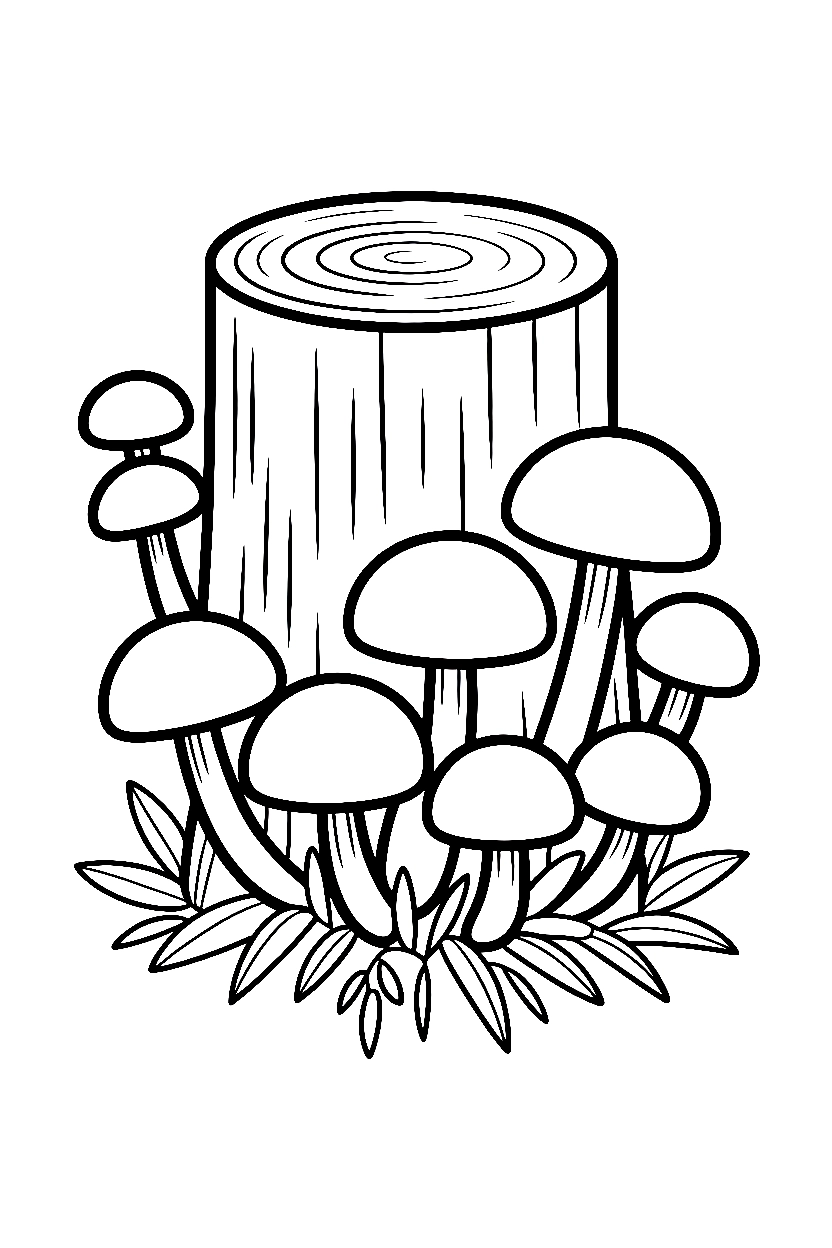
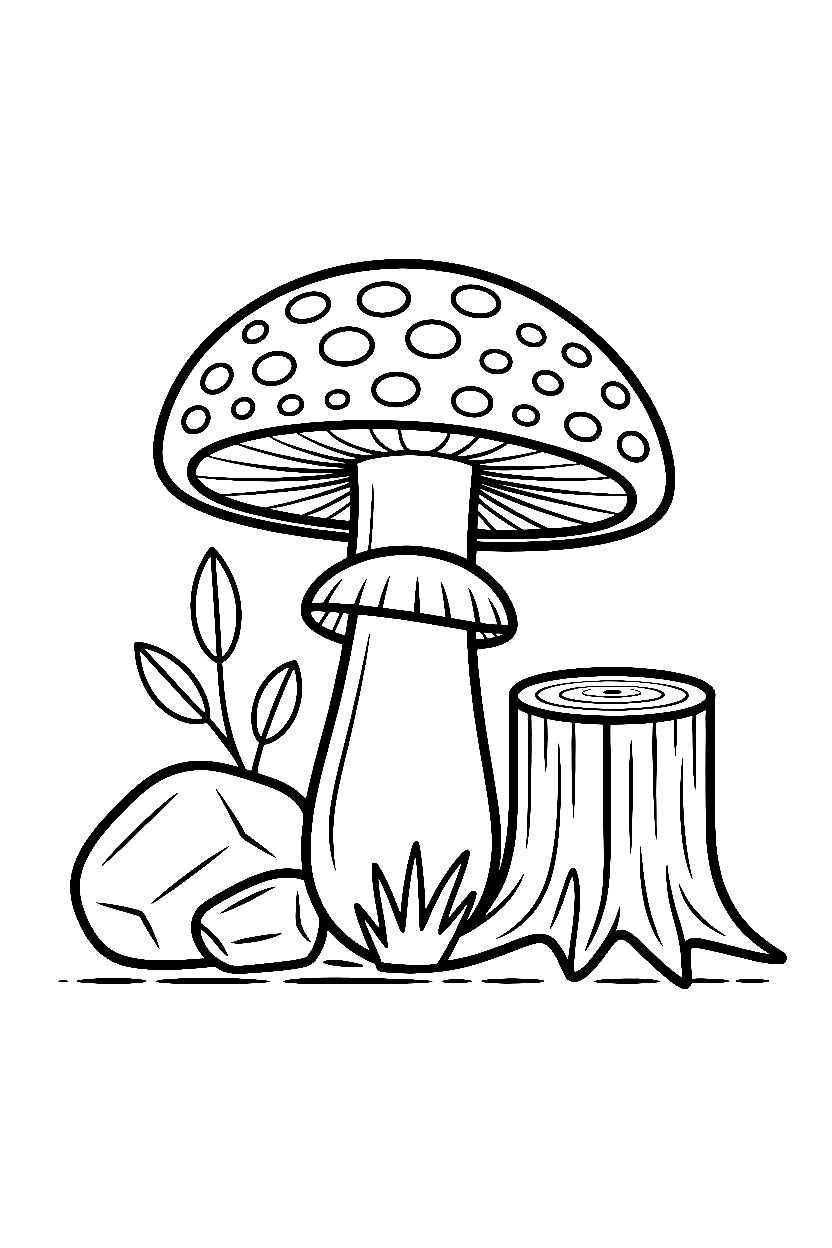
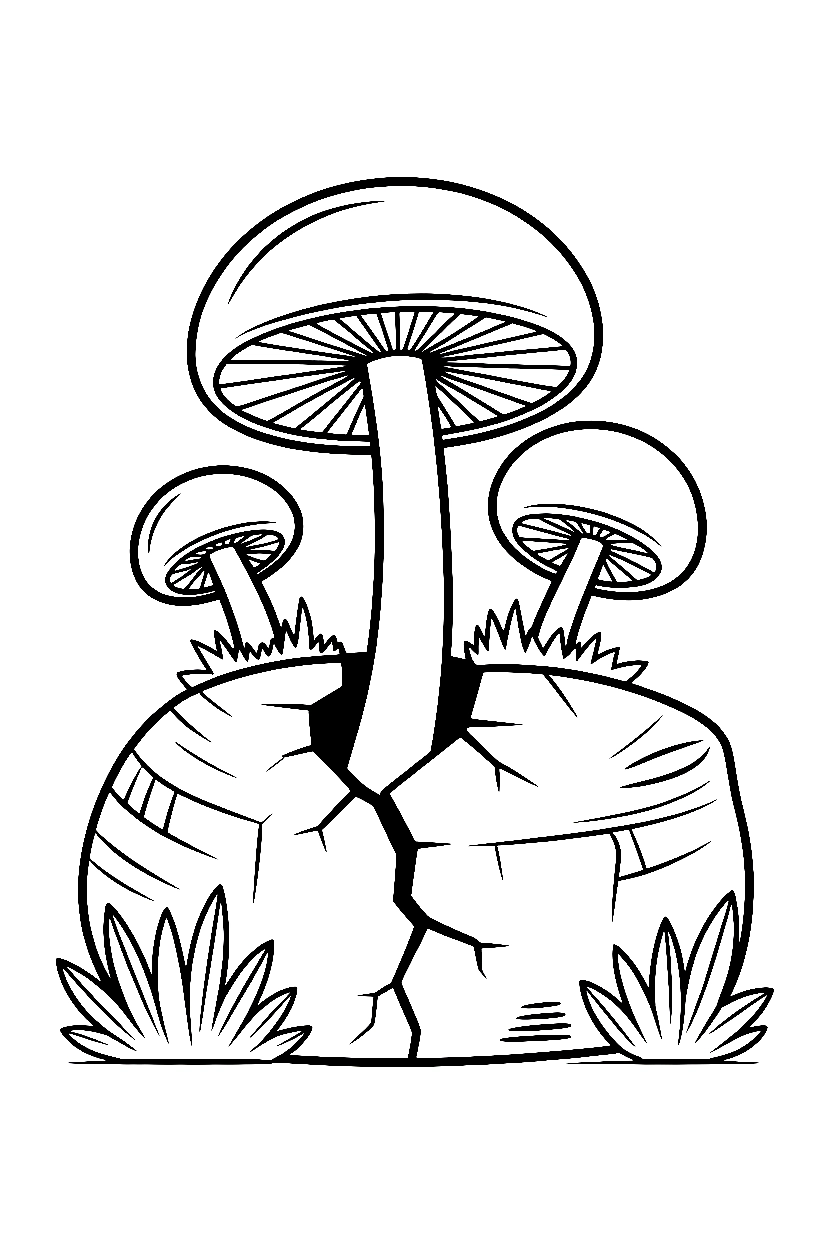
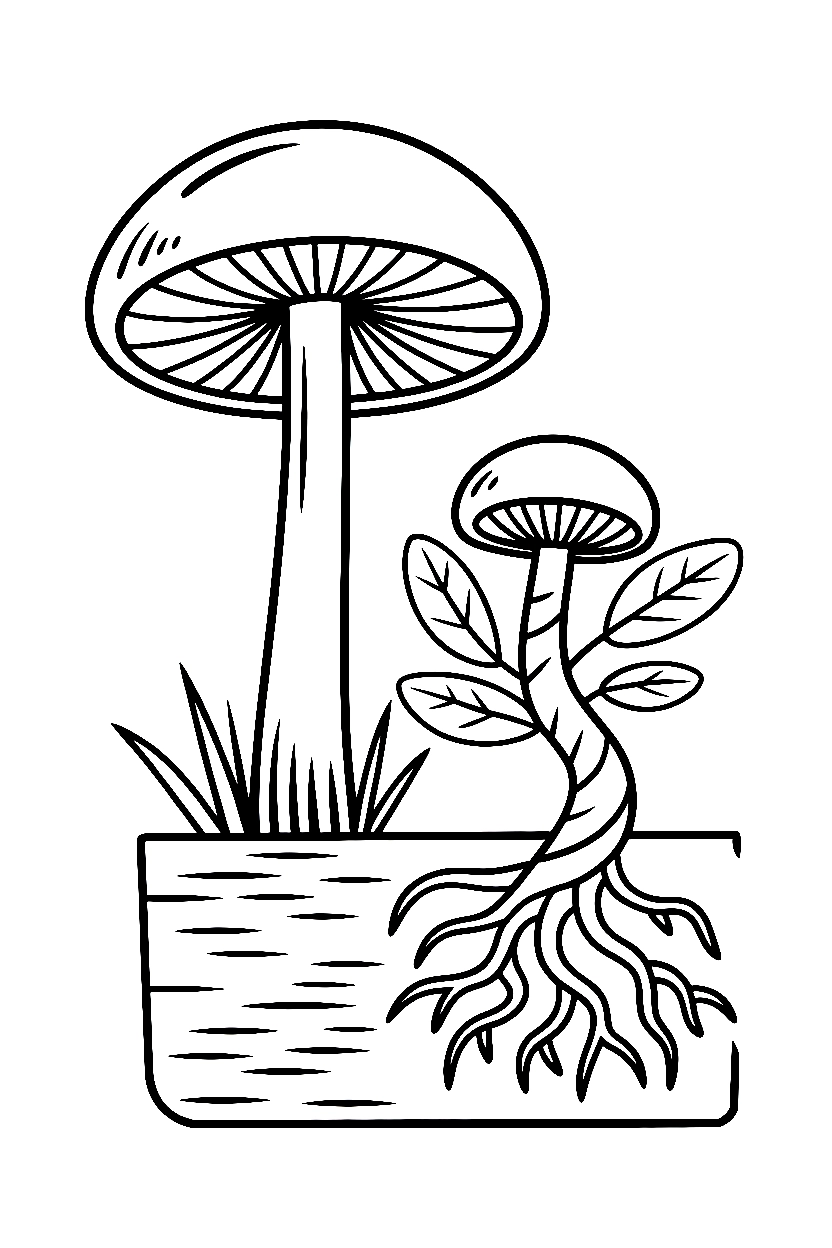
- Tree stump bases where mushrooms emerge from cracks
- Rain droplets sitting on curved mushroom tops
Scene Elements
The printable activity sheet shows complete environments. Each mushroom appears grounded in a specific place. Ferns grow beside some stems.
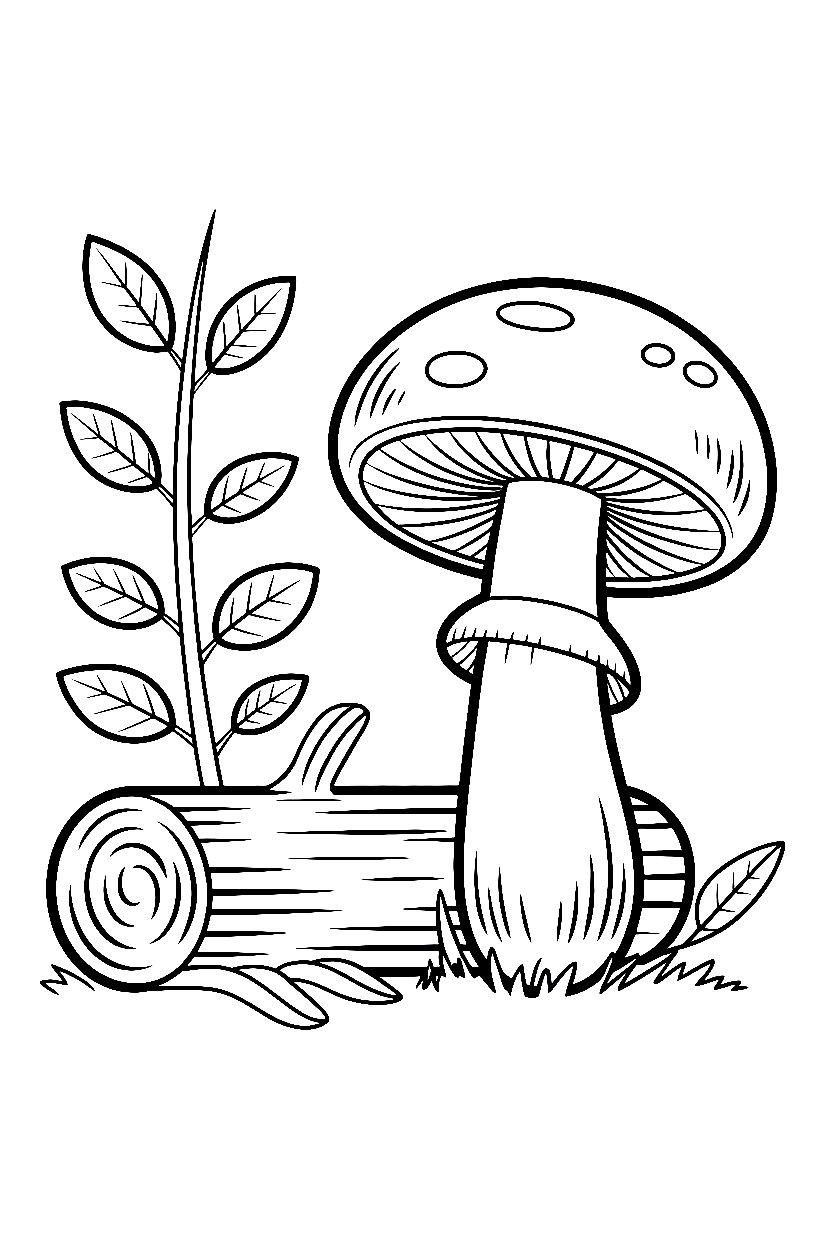
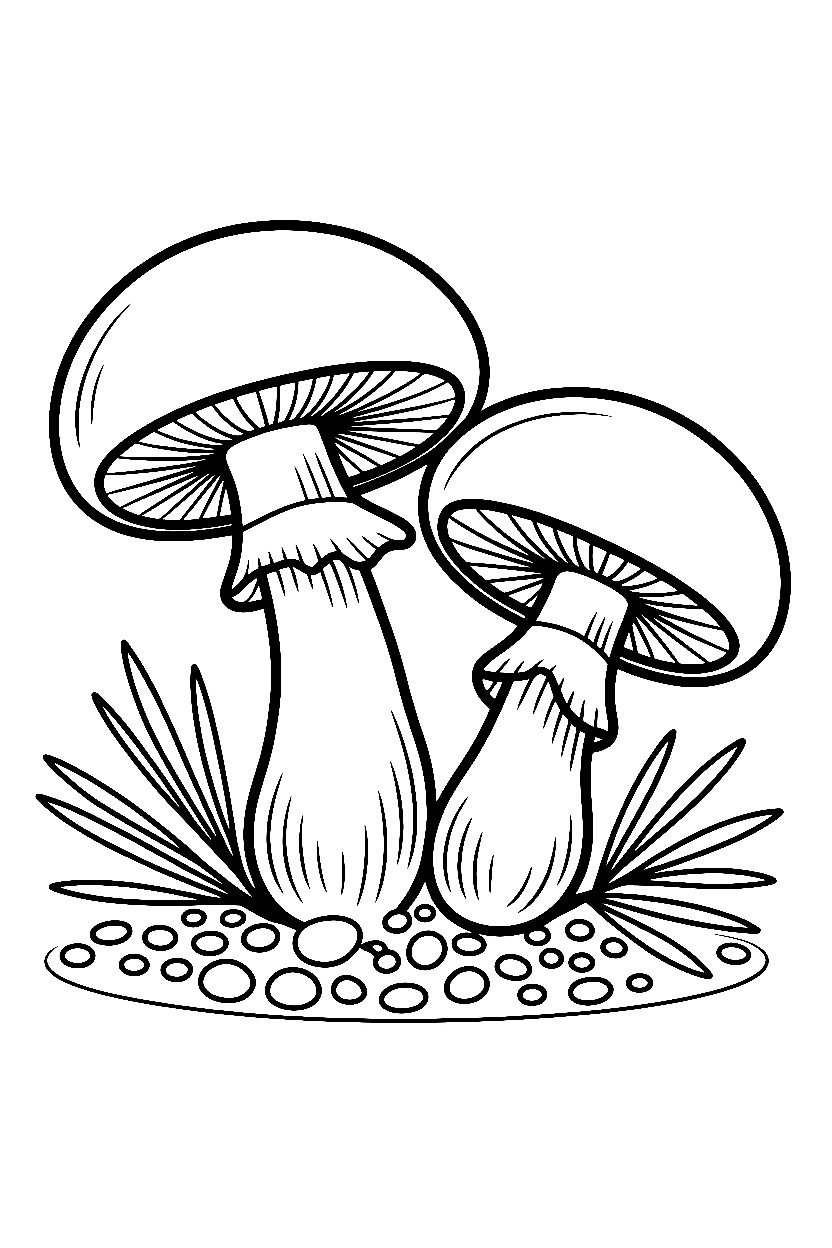
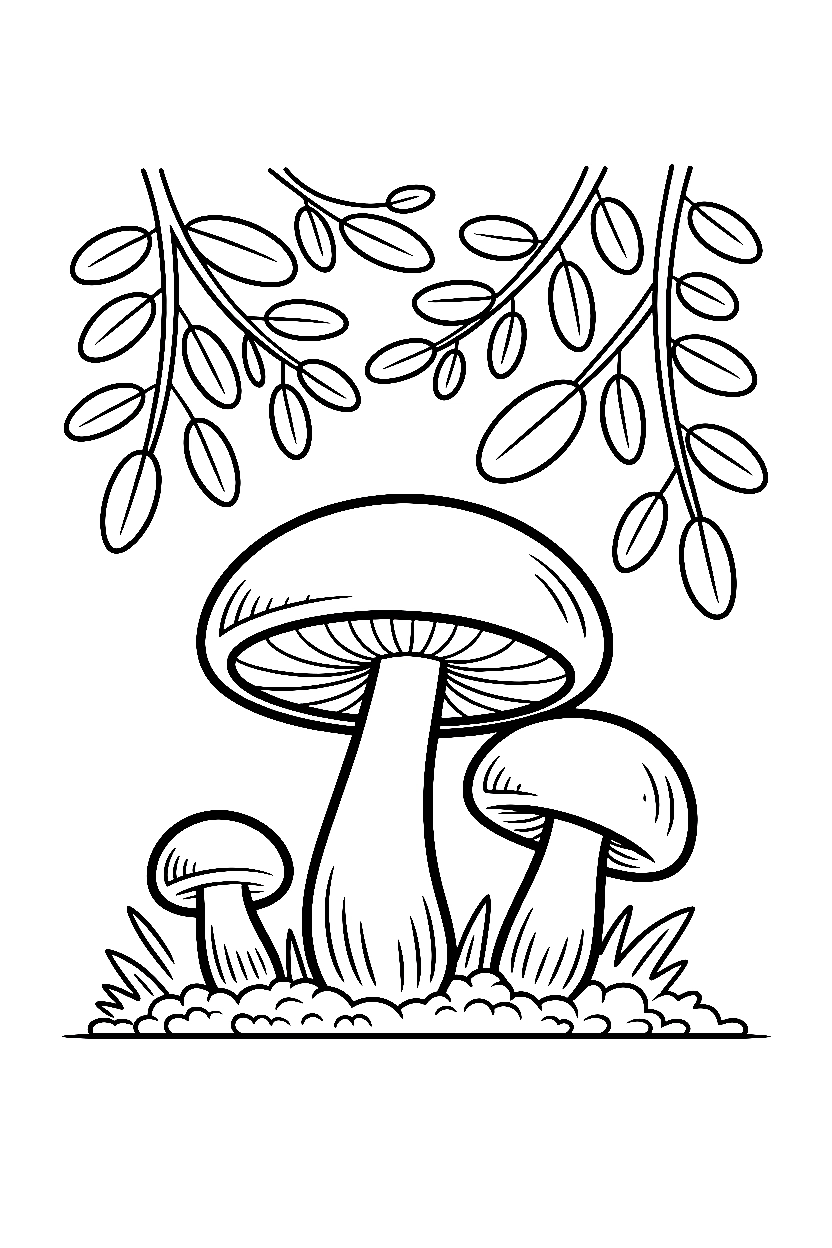
Rocks create natural barriers. One outline drawing positions mushrooms near a hollow log. Another places them under overhanging branches.
Fine motor skills improve with consistent practice.
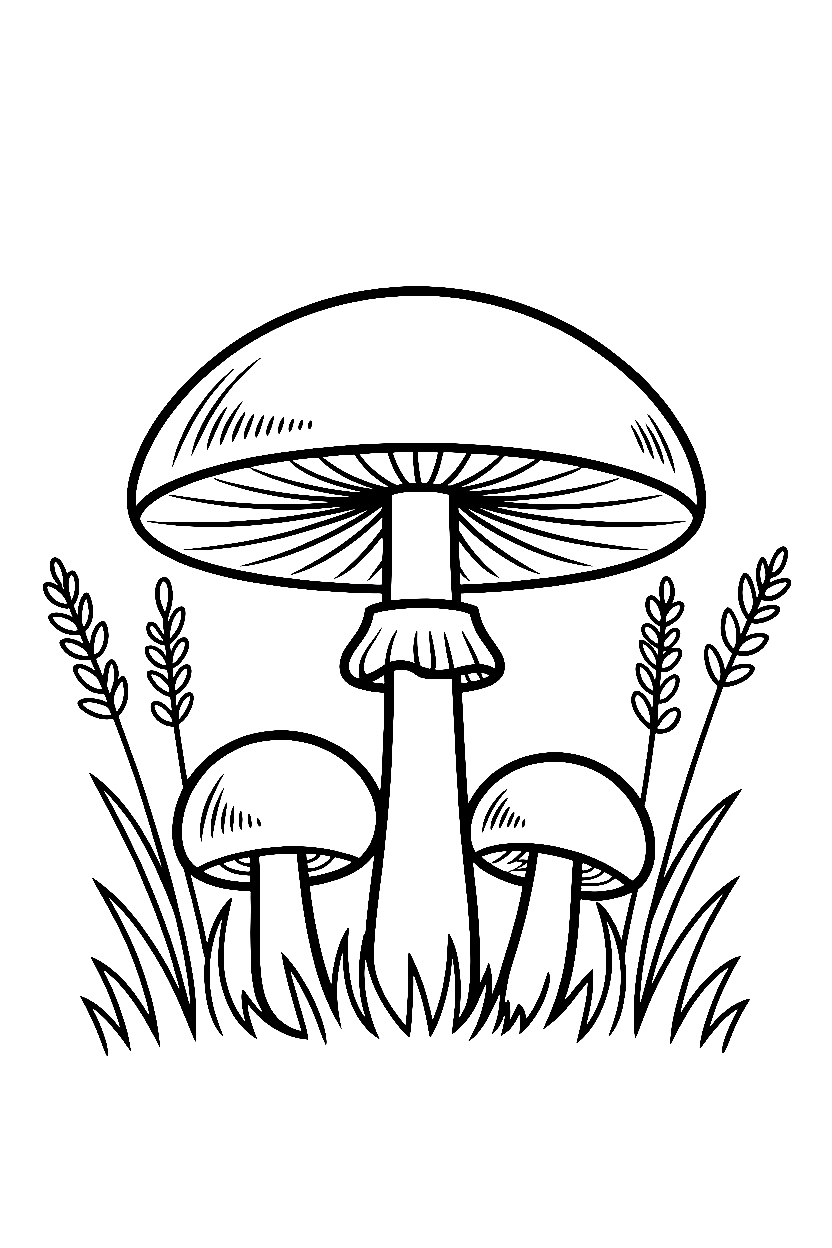
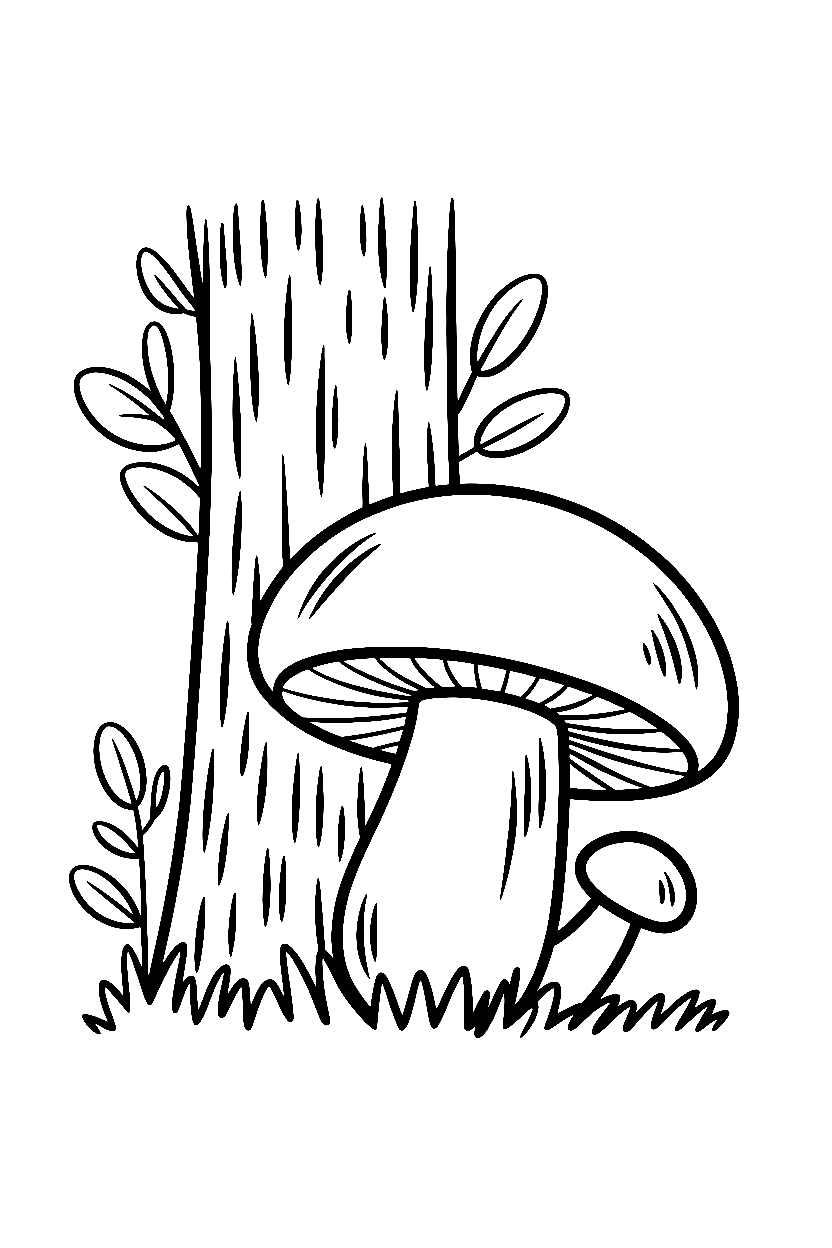
Tree roots wind through the soil. Tiny details fill each line art scene. Bark patterns offer texture. Grass grows in tufts. Kids decide where to start coloring. Some fill the cap first. Others work on the stem. The base connects everything together.
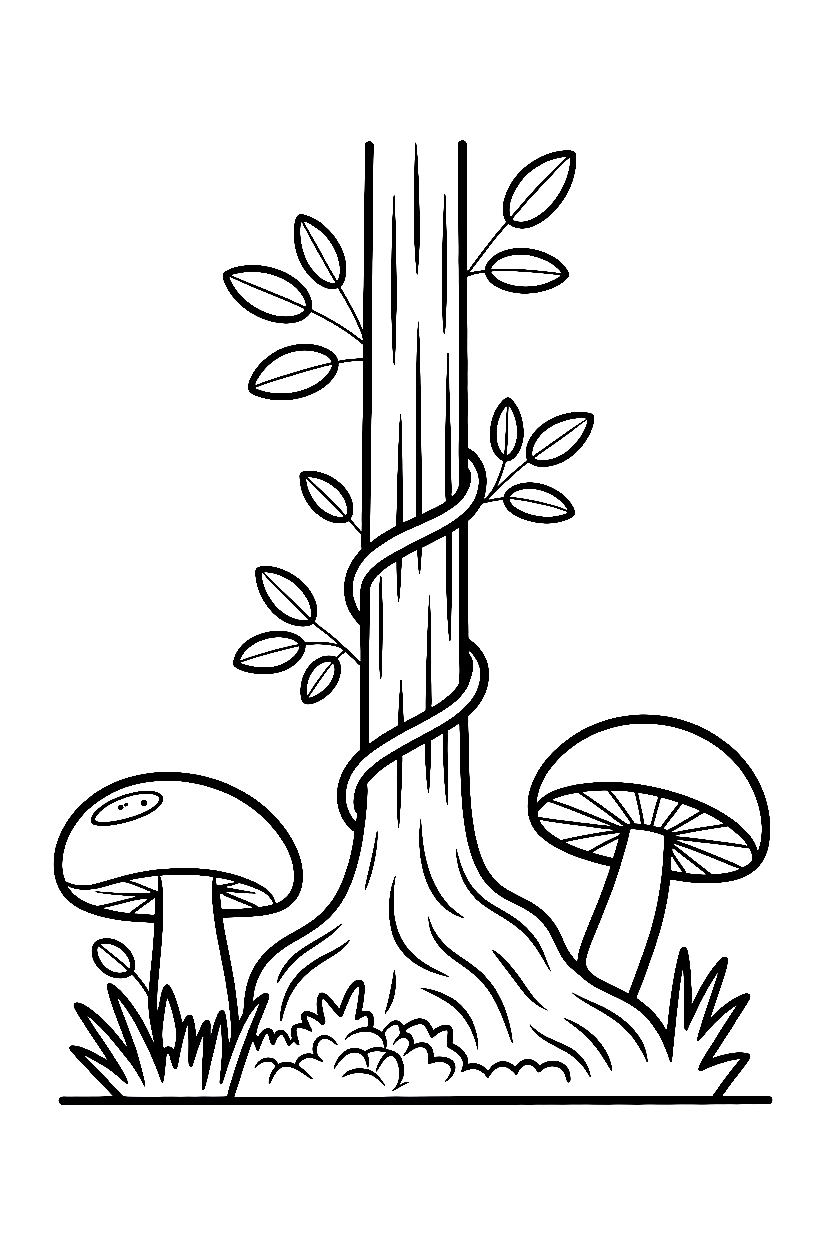
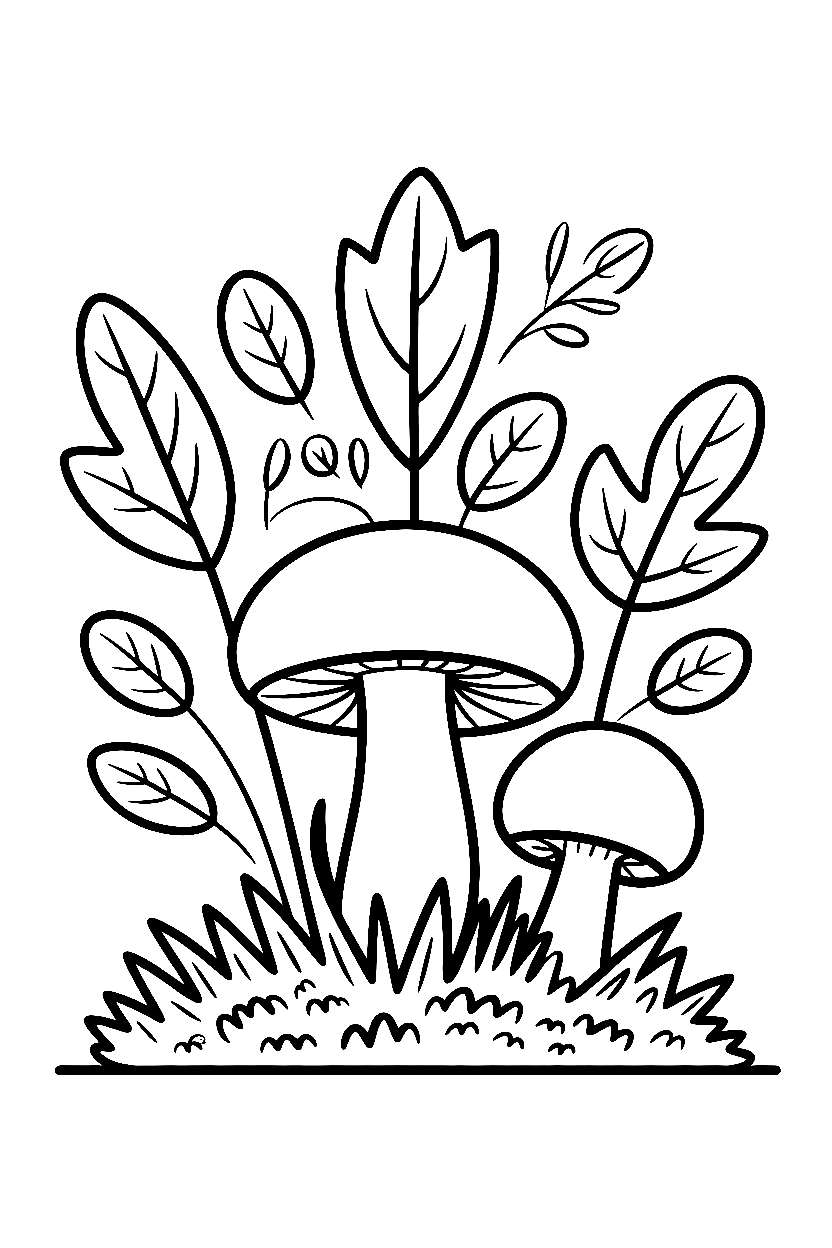
Creative Tip: Press hard with crayons on the cap’s top section. Use light strokes for the delicate gills underneath.
Fun Fact: Some mushrooms grow so fast you could almost watch them getting taller if you sat still long enough in the forest.
How to Print Your Sheets
Scroll through the fifteen drawings below. Select the mushroom scenes you want. Click the orange “PRINT” button under each image. Start your coloring session immediately.
Fun Fact: Some mushroom species create underground networks called mycelium that can span several acres and live for thousands of years.
The designs balance botanical accuracy with simplified forms. Cap shapes range from flat discs to conical peaks, with stems showing proportional thickness variations.
Spots, rings, and scale patterns mark different surfaces, while surrounding plants like grass blades or small flowers provide compositional anchors.
These Mushroom Coloring Pages translate field observation details into line art suitable for color application without requiring fine motor precision.
Scene Layouts in Forest Settings
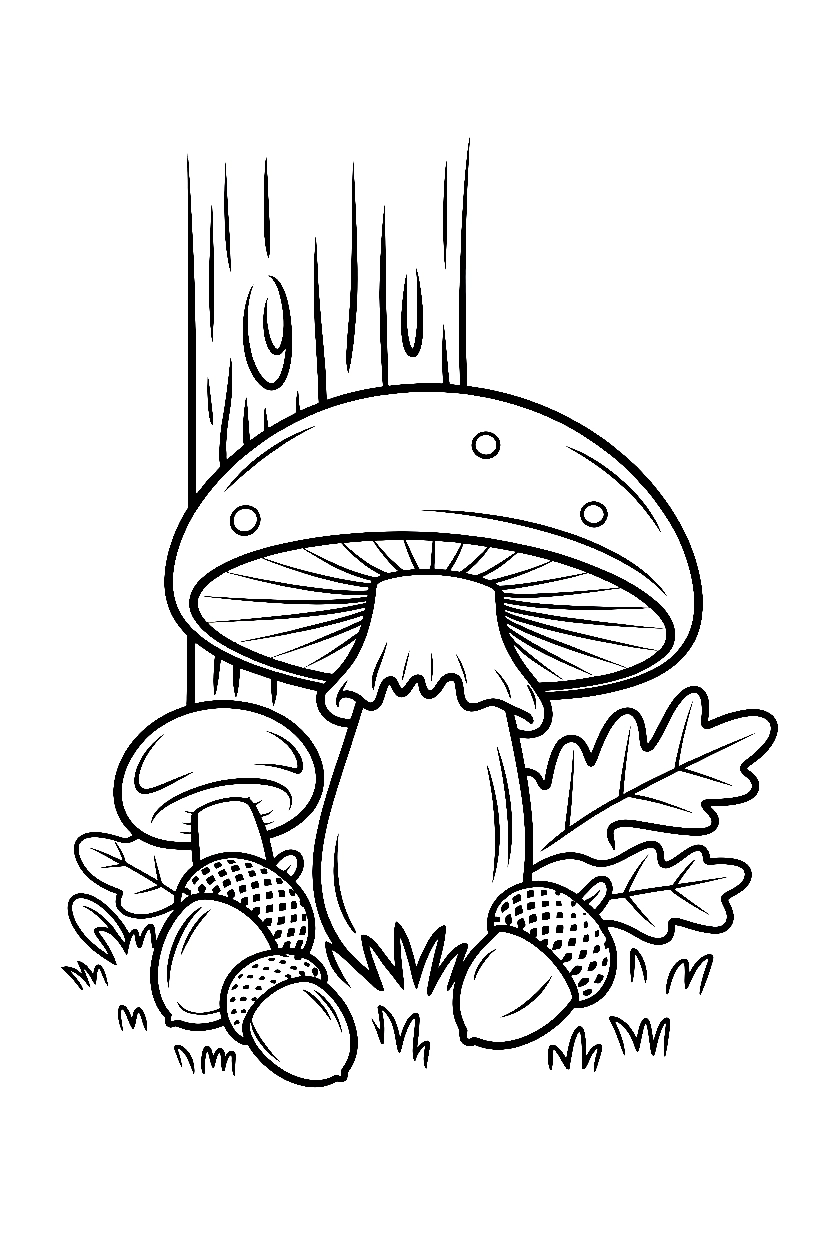
Woodland backgrounds frame each mushroom subject through environmental markers. Tree trunks appear in vertical compositions, creating natural boundaries for the main fungus figure.
Ground-level perspectives show mushrooms from worm’s-eye views, emphasizing their vertical growth from soil or wood substrates. Overhead elements like branches or clouds add depth without overwhelming the central botanical subject.
Spatial arrangements place mushrooms at varying distances from the viewer.
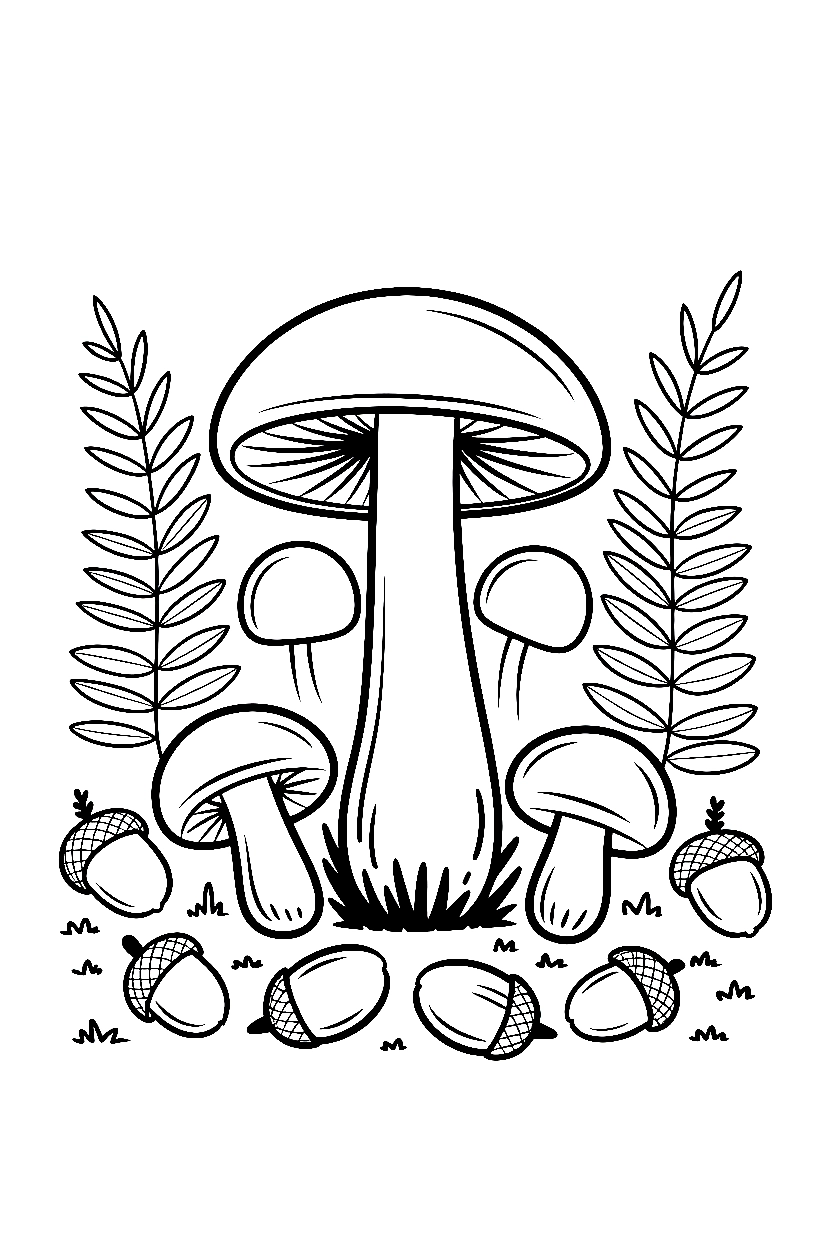
Foreground specimens display full structural detail, including gill patterns beneath caps and stem textures, while background fungi appear as simple shapes suggesting depth.
This layering technique creates three-dimensional scenes within single-page formats, suitable for discussions about perspective or habitat relationships during learning activities.
What the collection contains:
- Single mushroom portraits with detailed cap and stem structures
- Multi-species groupings showing size and shape comparisons
- Habitat scenes including logs, rocks, and forest floor debris
- Fairy ring formations with mushrooms arranged in circular patterns
- Close-up views emphasizing gill structures and surface textures
- Seasonal settings with autumn leaves or spring wildflowers
Which mushroom shapes appear in these drawings?
Round dome caps, flat umbrella tops, and clustered button formations on single stems.
Do the scenes show mushrooms alone or in groups?
Both single specimens and multiple mushrooms growing together from shared ground.
Are there background details beyond the mushrooms?
Yes, including tree stumps, fallen branches, grass patches, and scattered forest debris.
You might also like: Succulent Coloring Pages