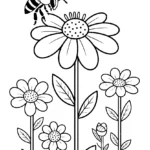
White petals surround yellow centers in Daisy Coloring Pages scattered across long car ride entertainment folders. Each bloom shows individual petals radiating outward.
Some grow in garden patches. Others stand in glass vases. Stems bend slightly. Leaves attach at intervals. Grass blades fill the ground space.
Kids grab markers and start. The petals need work. The centers sit ready. Each stem connects downward.
What You Will Find
Daisy Coloring Pages bring simple flower imagery to young artists:
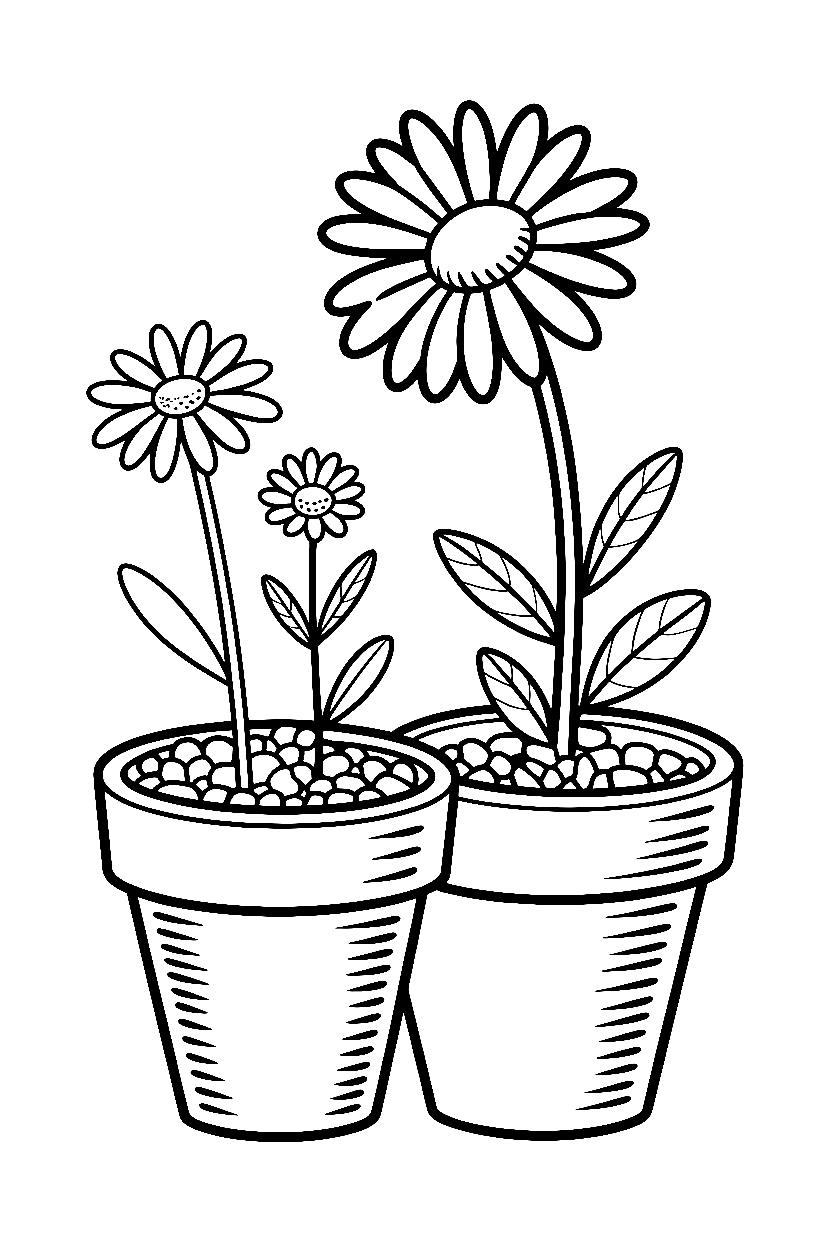
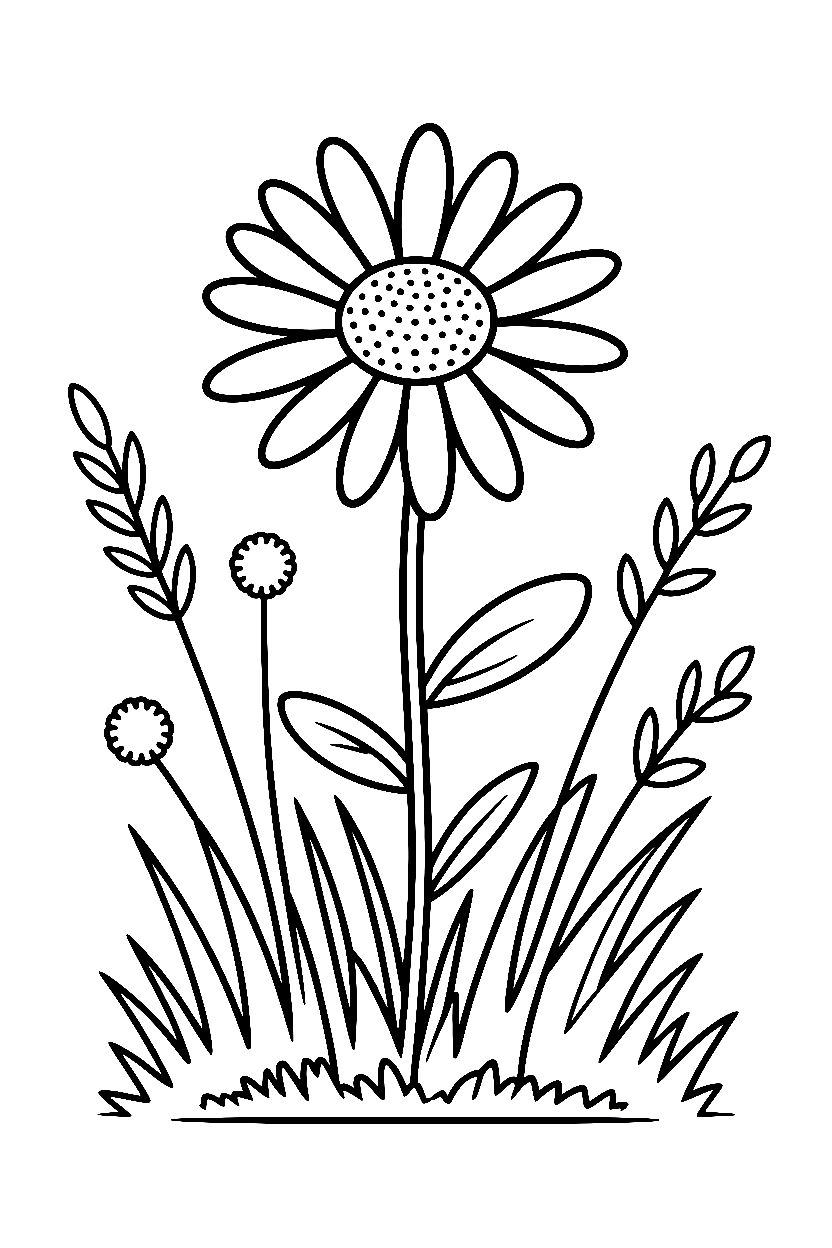
- Single blooms with evenly spaced petals around circular centers
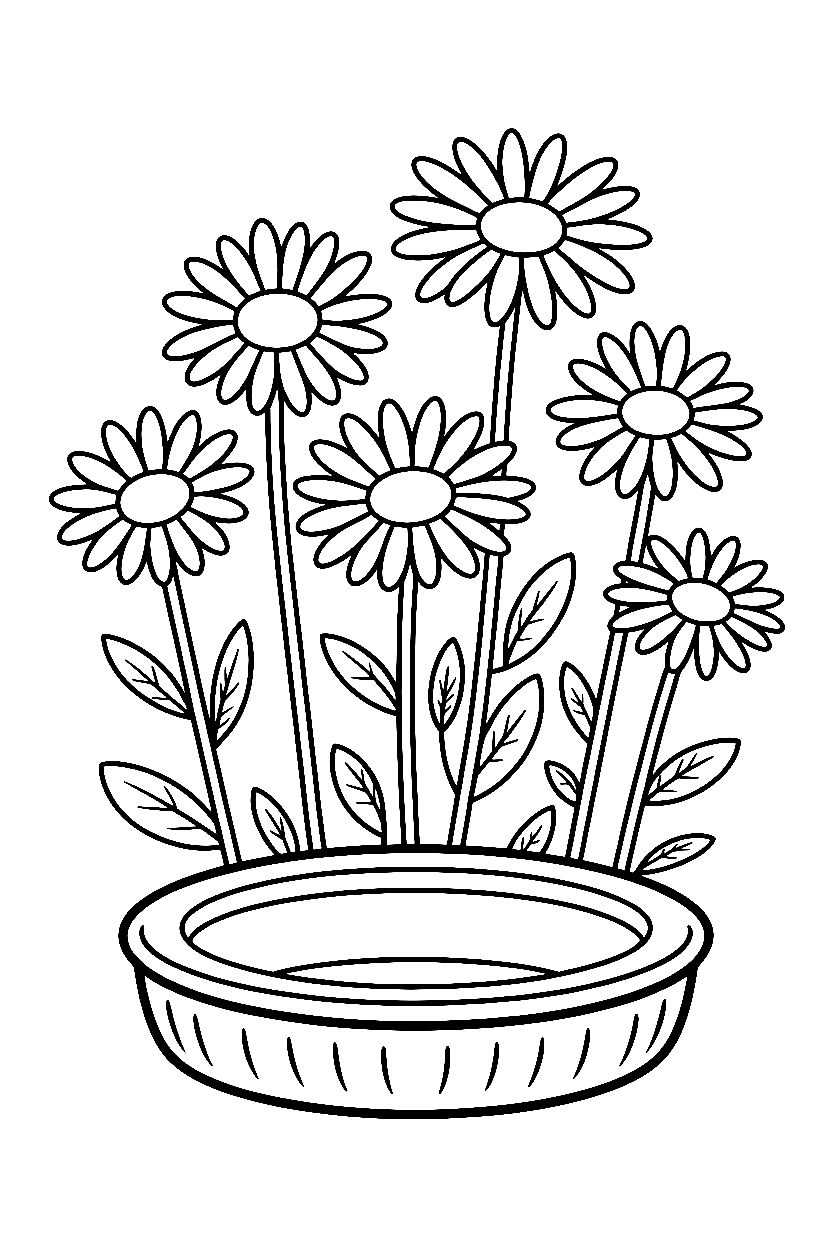
- Cluster arrangements with multiple stems emerging from shared soil
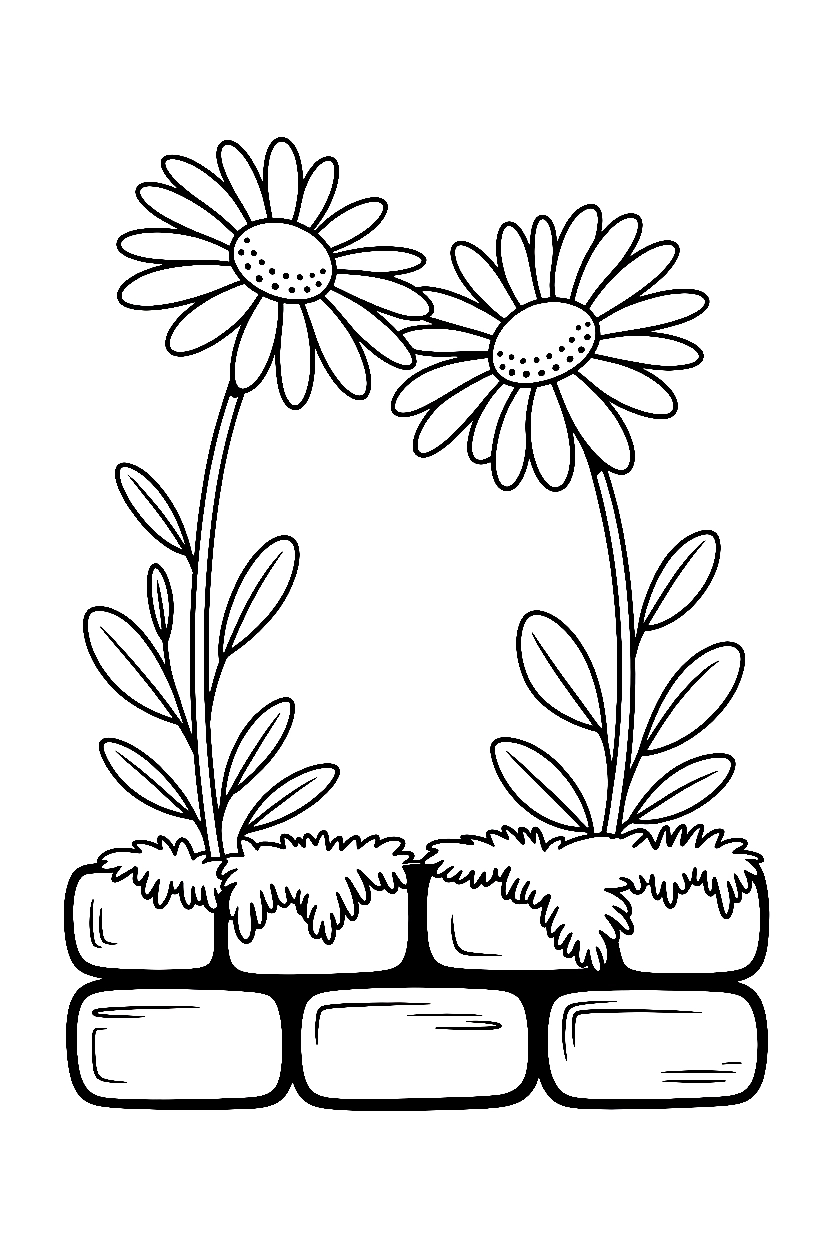
- Garden bed settings with stones and grass surrounding the base
- Vase displays with water lines and table surfaces shown
- Butterfly visitors perched on petal edges or hovering nearby
Fun Fact: Daisies close their petals at night and open them again when morning arrives, like tiny doors that lock and unlock by themselves.
Scene Layouts
The printable activity sheet presents complete environments. Each daisy occupies clear space. Background elements establish context.
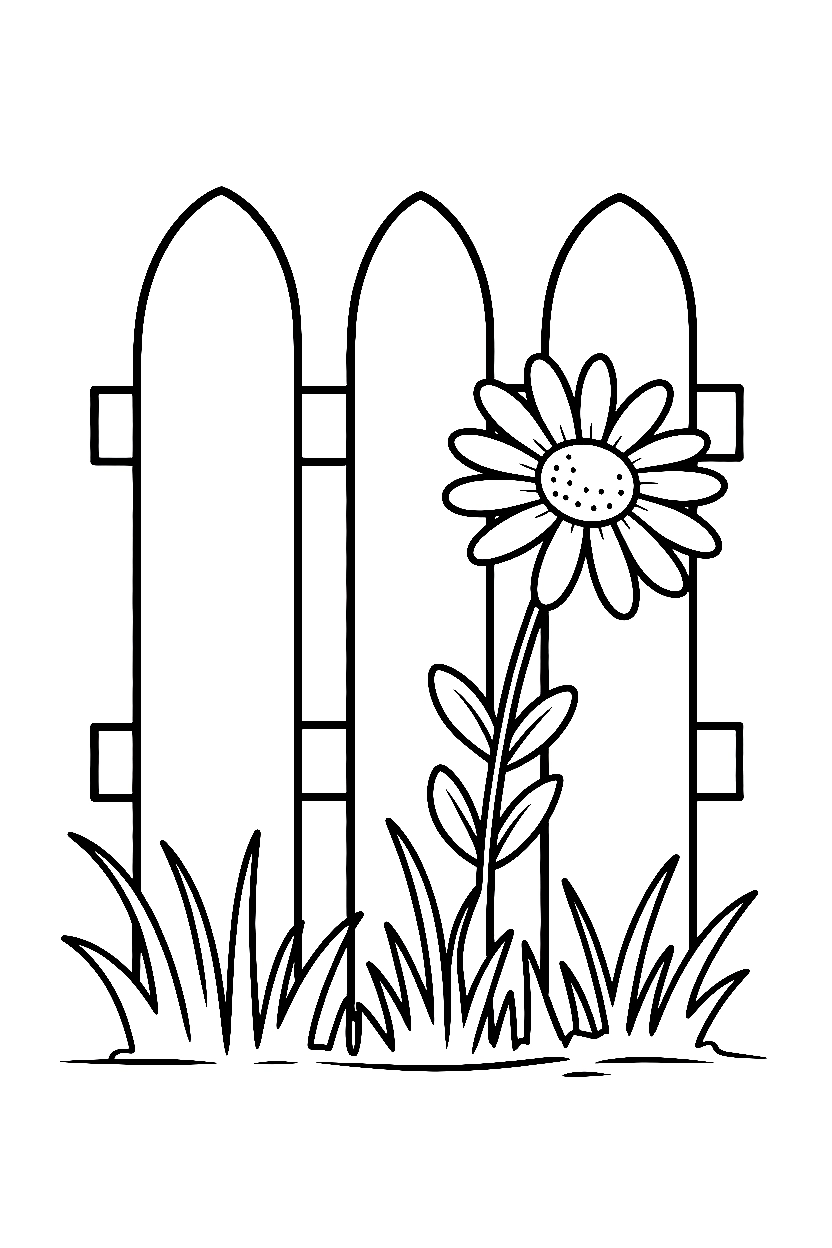
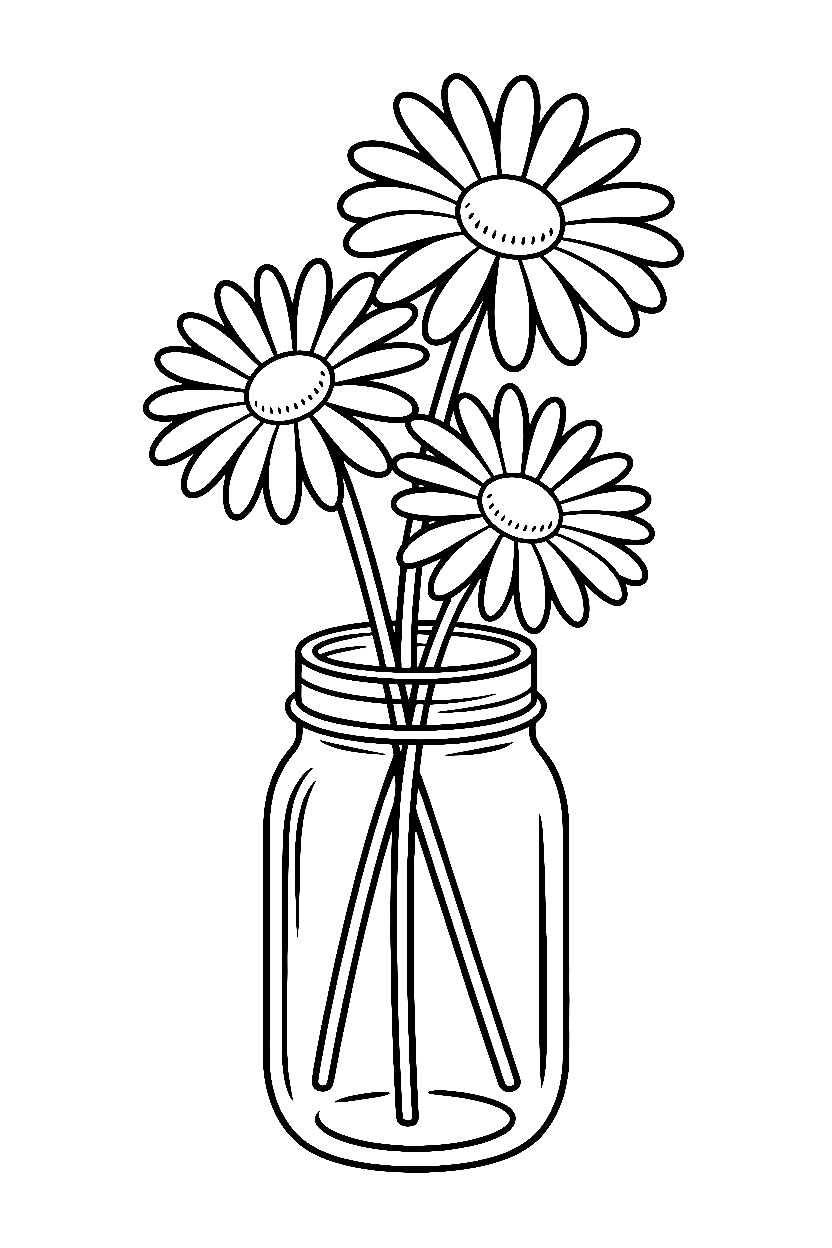
One outline drawing shows a mason jar filled with stems. Another places blooms along a garden fence. Wooden posts stand vertical.
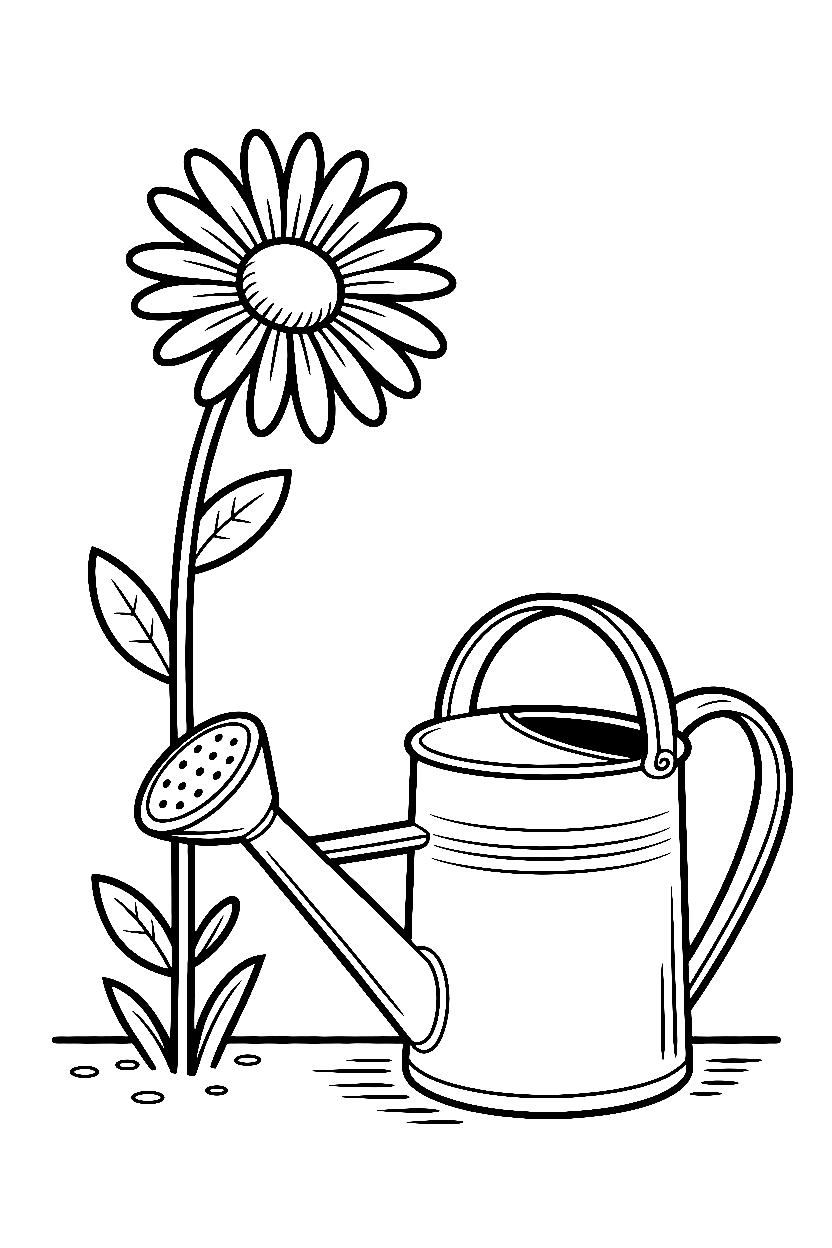
Stems curve naturally. Petals overlap at the base. The line art scene maintains distinct sections between foreground and background elements. Garden paths wind through some compositions. Watering cans rest nearby. Seed packets lie flat.
Fine motor skills develop through repeated coloring sessions.
Children trace the petal outlines carefully. They fill centers with circular motions. Small leaves require attention. Some start with the bloom. Others begin at the stem base.
The petal count varies across different drawings. Daisy Coloring Pages work well for weekend morning craft activities.
Creative Tip: Start with the flower center using firm pressure. Move outward to each petal with lighter marker strokes.
How to Print Your Pages
Scroll down to view all fifteen daisy designs. Pick which scenes you want. Click the orange “PRINT” button below each chosen image. Start coloring right away.
Which settings appear most often in these scenes?
Garden beds, glass containers, meadow patches, and windowsill displays with natural surroundings.
Do the drawings show daisies at different growth stages?
Yes, some show fully opened blooms while others display buds still forming on stems.
Are there objects besides daisies in the pictures?
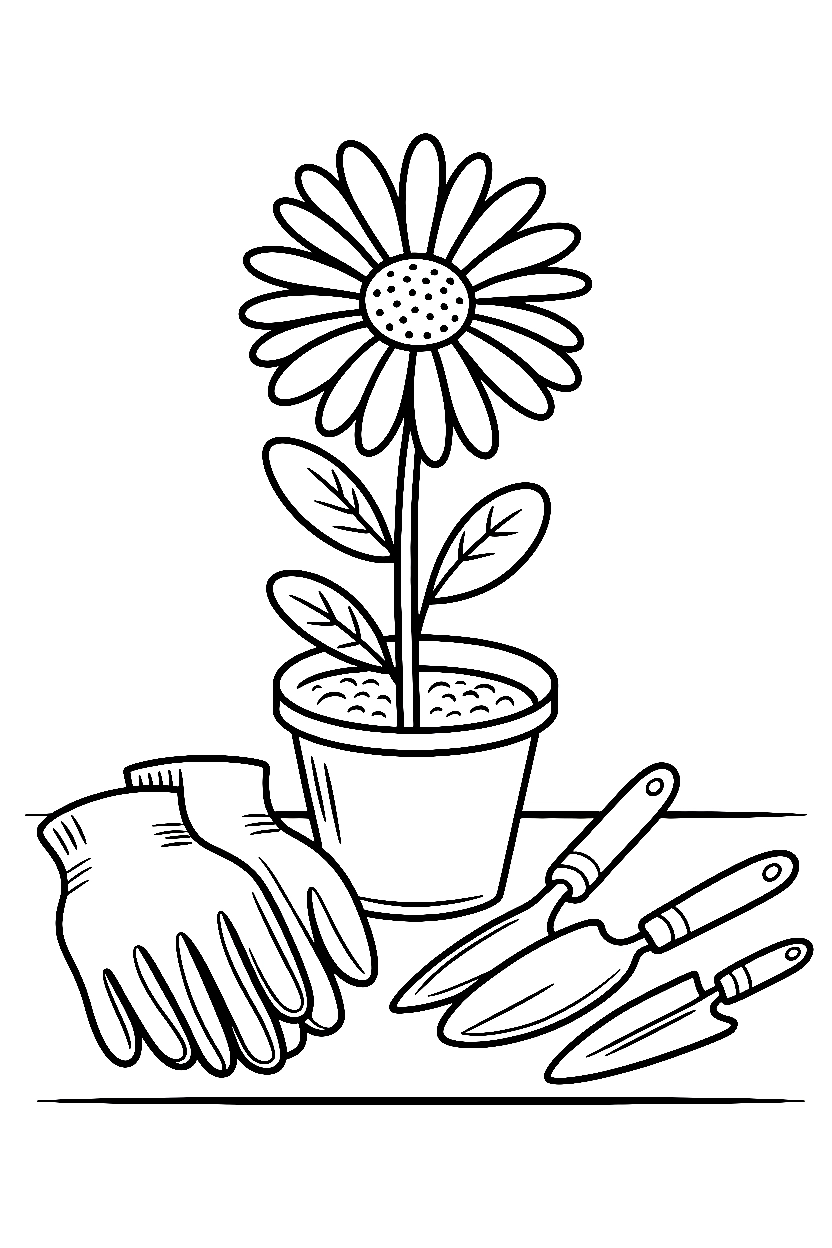
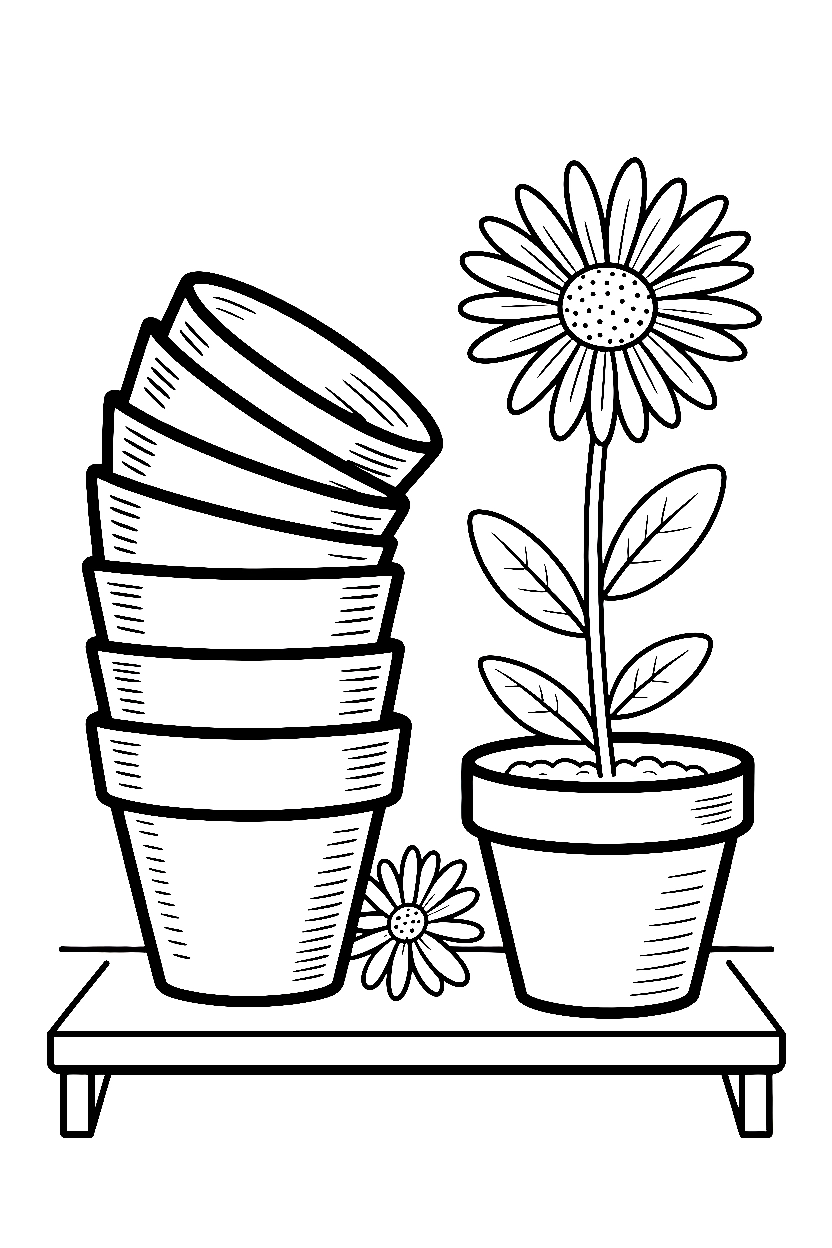
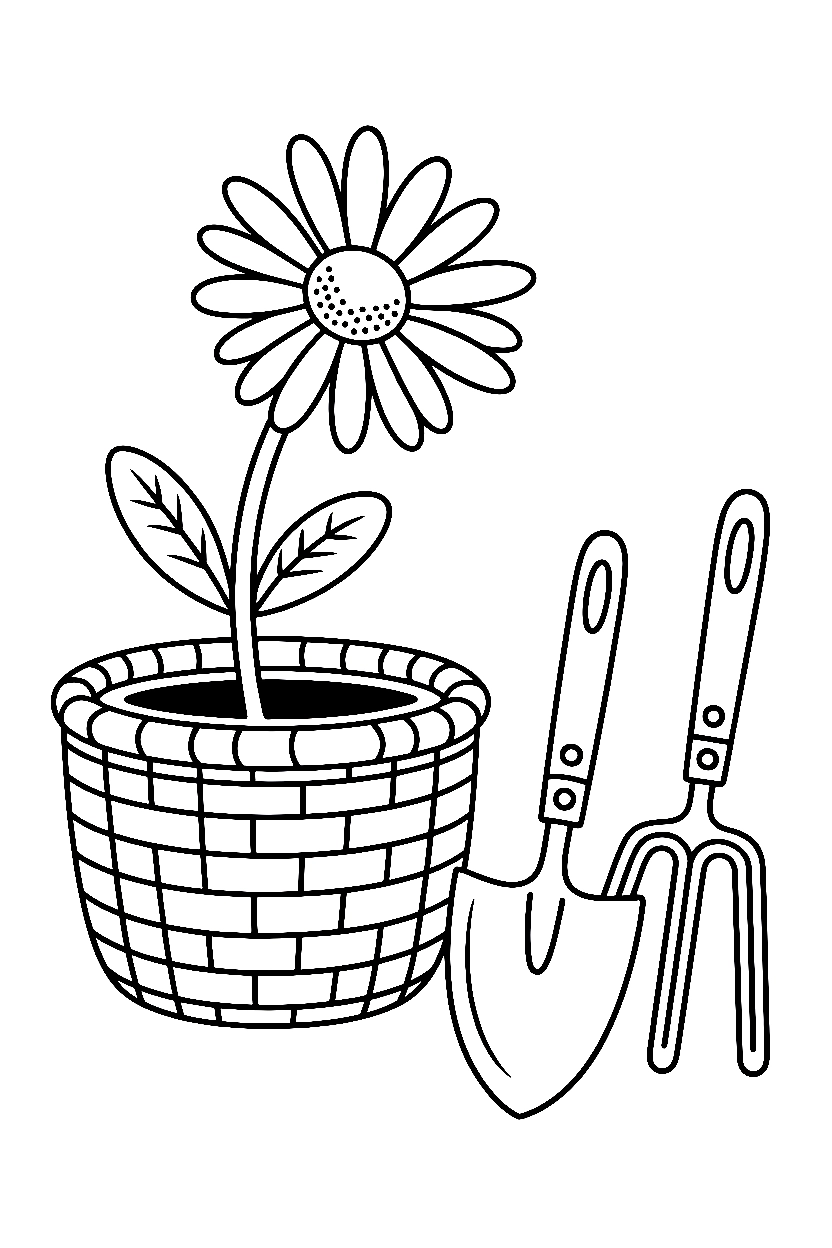
Yes, including watering cans, garden tools, fence posts, and decorative containers throughout various scenes.
You might also like: Rose Coloring Pages